other

The UAE – From Cocktails to Camel Milk

Ahh… just back from exotic, UAE where my associate Keith Waldbauer and I conducted  training for the Fairmont Art of Mixology Culture at the new and faboo Fairmont Abu Dhabi. Yes, it’s Vegas on steroids and the playground for the rich.

Abu Dhabi.Sparkly Couch
Me on the rhinestone couch in the lobby of the
Fairmont Abu Dhabi  – Bling bling!

It was 3 weeks of hard, but fun, work. We set up and opened multiple bars – from Marco Pierre White’s new Steak House Restaruant to Frankie’s Italian Restaurant… to the beautiful Pool Bar and the Lucious Chocolate Gallery. (And I want to add that the staff and managers were AMAZING!)

IMG00120-20091024-2241
Miss Kirsten and I after testing a LOT of chocolate cocktails that we shook up for the new Chocolate Gallery!

Needless to say we were up to our eyeballs in cocktails! Since, beer, wine and spirits are served only at hotels; you can imagine non-alcoholic drinks are also super popular. 

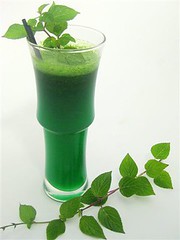
The non-alcoholic drinks WERE amazing. The most popular, was the super simple, “why didn’t I think of that,” Minted Lemonade. This is not just mint in lemonade, this is lemonade, ice and fresh mint blended smooth and brilliant green. It’s the perfect refresher for the hot HOT heat.  It’s tart, sweet, tangy, and refreshing! I’ve given a basic recipe below.  Just be sure to use a decent lemonade with a good punch – none of this “watery lemonade,” …the kind masquerading as lemonade in the refrigerator section with a whole whopping 7% lemon juice!  It’s important to use a good lemony lemonade.

Blend in a small slice of ginger for an even more intense refreshing kick.

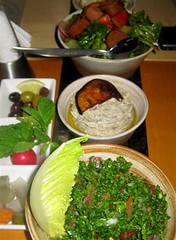
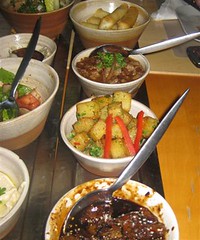
What else did we eat and drink while in Abu Dhabi and Dubai? Only the best Indian food either of us has ever had in the Elements Restaurant at the Fairmont Abu Dhabi! Dal, also spelled dahl, dhal, or daal, tikkas  and curries of a zillion variations. No matter how you spell it, they were all amazing.  We also enjoyed delicious Lebanese food at Café Blanc a cool café at the Dubai mall. We sat outside one lovely warm evening and sampled so many great dishes I thought I would burst.

fairmont.abudabi 288fairmont.abudabi 293
Favs: Fattoush salad with tomatoes, cucumbers, crisp flat bread with sumac and coriander, chicken livers in pomegranate molasses, and another amazing non alcoholic drink – served in layers of blended avocado, red dates, blended rose ….. 3 layers of sipping goodness – zowie!

fairmont.abudabi 286
Click here for a fun video I took and edited with my new Flip Video Camera, showing how they made the above three-layer drink!

And yes – I know you all want to know if I drank Camel Milk?
Of course and I made a cocktail out of it too!  

Abu Dabi mint drink 002 

Minted Lemonade
Makes 1 serving

3 large sprigs fresh mint
1 cup big flavored lemonade
1/2 – 3/4 cup ice
Garnish: fresh mint sprig

Tear mint and add to blender. Measure in lemonade and ice and blend on high till smooth. Pour into a tall glass and garnish with mint. Enjoy! © 2009 Kathy Casey Food Studio

Posted by Kathy Casey on November 12th, 2009  |  Comments Off on The UAE – From Cocktails to Camel Milk |  Posted in Restaurants, Cocktails, Dishing with Kathy Casey Blog, KOMO Radio, other, Recent Posts, Recipes, Tasty Travels

Salt: A Cook’s Best Friend

If you missed the show on KOMO, click here to hear it online!

Salt is the universal seasoning—it makes flavors pop and go “Wow!” Salt brings out other tastes, even sweetness! All creatures like to eat salt—except, as we know in the Northwest, NOT slugs!

Salt is either mined from ancient, now dry, salt lake deposits or evaporated from sea water. There are many varieties. Refined table salt has additives to keep it flowing freely and iodine to ensure thyroid gland health in inland areas. Kosher salt is additive-free; and chefs appreciate its coarse-grained texture. Pickling salt contains no additives, which could cloud the pickle brine. Less refined, rock salt retains more minerals; it’s used in making ice-cream, baking potatoes, and nesting baked oysters in pans.

Hand-collected from coastal France, sel gris, also called grey or Celtic salt, is moist and unrefined; its pale color comes from the salt flats clay. During evaporation, a light film forms on top; this is fleur de sel, considered the “champagne” of salts.

‘Alaea is the traditional Hawaiian table salt; this sea salt gets its natural color from volcanic red clay. Danish smoked salt is flavored by the woods used when the evaporation is done over an open fire. 

Looking for big flavor—but from natural products—today’s consumers want gourmet salts from both culinary and health standpoints. And SaltWorks™, Inc., based in the Seattle area, does all–natural very well. The company buys directly from the farmers who produce the salt and imports it without a middleman. Founded in 2002 by owner Mark Zoske, SaltWorks now sells over 10 million pounds of sea salt a year. The company’s Artisan Salt Co. retail brand offers more than 30 varieties of salt and is available in hundreds of high–end retailers across the country.

Salt can headline a menu item, such as in Chinese Salt & Pepper Squid or Whole Snapper Baked in a Salt Crust. We love to sprinkle a little salt in salads before tossing; it’s a natural with hard-boiled eggs; and, heaven knows, we all love our salty snacks. We even enjoy it with our drinks—from a simple Salty Dog to the very popular Margarita.

Brining has become very trendy for flavoring food and keeping meats moist. My recipe for Pacific Rim Style Brine for Salmon for the Grill is an easy way to try out brining. I also included a recipe for a Citrus Herb Salt Rub for Chicken or Fish. This recipe infuses the salt with wonderful flavors to enhance any protein dish that needs a little “oomph”. It is great on roast chicken or used as a finishing salt on roasted scallops or plain grilled fish.

Pacific Rim Style Brine for Salmon for the Grill
Makes about 1 quart of brine

3 tablespoons kosher salt
1/2 cup, packed, light brown sugar
4 cups water
1/2 cup soy sauce
2 tablespoons finely minced fresh garlic
2 tablespoons finely minced fresh ginger

To prepare the brine: Add salt and brown sugar to water and mix until dissolved. Stir in remaining ingredients. Refrigerate unused brine for up to 10 days.
To brine and cook fish: Place salmon in brine, enough to totally cover fish. If needed to keep it submerged, weight down salmon by placing a plate or plastic bag filled with water on top of fish. Marinate fish in brine, refrigerated, for 3 to 4 hours only; DO NOT OVER-BRINE FISH! Remove fish from brine and lightly rinse off with cold water. Throw away used brine immediately!
Refrigerate fish, covered, till ready to cook. Grill the fish in your usual way, but do not salt the fish. Taste after cooking to see if salt is needed—it probably won’t be.
Chef’s Note: This brine is also great for brining chicken breasts, scallops or pork chops.Copyright ©2009 by Kathy Casey Food Studios®

Citrus Herb Salt Rub for Chicken or Fish
Makes about 1/2 cup

1 lemon
1 orange
2 tablespoons fresh rosemary leaves
15 large fresh mint leaves
3/4 cup fleur de sel
1 teaspoon freshly ground pepper

To make the salt rub: With a potato peeler, peel the lemon and orange, removing the colored part of the skin but not the white pith. Cut peel in very fine strips. (Reserve fruit for another use.) In a large, shallow, glass baking pan, mix peel, herbs and salt together and leave uncovered in a warm place in the kitchen. Stir a couple of times a day. Let sit at room temperature until the citrus peels and herbs are thoroughly dried—this should take about 3 to 4 days.

In small batches, grind the dried mixture in a coffee grinder (preferably one that you use only for spices) or with a mortar and pestle. Grind until the herbs and citrus peel are in small pieces and incorporated well in the salt. Then stir in the pepper. Place in a tightly covered jar until needed. This mixture should keep well at room temperature for up to 3 months.

To use salt: I like to use this seasoning on chicken or fish before roasting or grilling. It is also great used as a finishing salt and sprinkled on fresh vegetables, sautéed mushrooms, grilled shrimp, sliced poultry, or meats such as lamb or pork.

If roasting a whole chicken, preheat oven to 375 degrees F. Rinse chicken under cold water and dry inside and out with paper towels. Place in a roasting pan fitted with a roasting rack. Rub outside of chicken completely with 2 teaspoons olive oil and sprinkle with 2 tablespoons of the salt rub.

Roast chicken in preheated oven for 1 to 1 1/4 hours, or until an instant read thermometer reads 160 degrees. Let chicken rest 10 minutes before carving. (It will continue to cook and come up to 165 degrees F while resting.)

I like to sprinkle a little more of the rub on the carved meat as a finishing salt just before serving. Copyright © 2009 by Kathy Casey Food Studios®

Posted by Kathy Casey on November 5th, 2009  |  Comments Off on Salt: A Cook’s Best Friend |  Posted in Dishing with Kathy Casey Blog, KOMO Radio, other, Recipes, seafood

Spice is Nice!

To hear my KOMO segment online, click here!

We all know the most commonly used spices: cinnamon, nutmeg, allspice, cloves, and mostly use them in baked goods. But what about all the other spices and exotic combinations? Like Chinese Five-Spice—a sultry blend of fennel seed, cinnamon, cloves, star anise and Sichuan peppercorns. Great to sprinkle on homemade roasted peanuts!

Or to consider a totally different spice profile, the cardamom seed. A native of India, this extremely flavorful spice has spread throughout the world—the white pod form is used in Scandinavian baked goods, green pods are preferred in Indian and Middle Eastern cooking, the unique black pod is used in African cooking, with its alluring and smoky flavor. I love it in squash soups!

Here’s a recipe with a multitude of seeds—including black mustard, coriander and cumin seeds—crushed and mixed with vibrant yellow turmeric, sassy cloves, and cinnamon, then stirred into Dijon mustard, oil, fresh ginger and kosher salt. I like to rub this zoomy-flavored paste on pork tenderloin 30 minutes before cooking. The rub imparts all the nice spice into the meat, which roasts up into a juicy, fragrant, d’lish dish. This is so wonderful served with simple, steamed basmati rice!

If you’re new to cooking with spices, I suggest going to the bulk section of a PCC grocery store or one of the spice shops around town, like Market Spice or World Spice, where they have loads of loose spices; there you can buy just what you need, be it a pinch or a squiggle. Then, try my recipe—or create some of your own—to see what “spice of life” you can bring to your cooking!

Fragrant Spice-Rubbed Pork Tenderloin

Makes about 4 to 6 servings

2 pork tenderloins, 1- to 1 1/2-pounds each 

Rub
1/4 teaspoon red chili flakes
2 teaspoons black mustard seeds
1 teaspoon coriander seeds
1 teaspoon cumin seeds
5 cloves
1 teaspoon ground turmeric
1/4 teaspoon ground cinnamon
2 tablespoons minced fresh ginger root
2 teaspoons kosher salt
1 tablespoon Dijon mustard
2 tablespoons vegetable oil

Place a rack in a shallow roasting pan or on a rimmed baking sheet. With paper towels, pat the pork dry then pull off any loose fat. In a mortar and pestle, crush the chili flakes, mustard, coriander and cumin seeds, and cloves until coarsely ground. If you don’t have a mortar and pestle, put spices in a plastic sandwich bag and set on a cutting board. Smash with a meat mallet, hammer, or heavy pot.

In a large bowl, combine the crushed spices with remaining rub ingredients. Add the pork to the bowl and smear the rub onto all sides of the pork, being sure to use all of the rub. Place tenderloins, nicely spaced apart, on the rack. Let sit for 30 minutes so that the rub will flavor the pork well.

Meanwhile, preheat oven to 375°F. Cook pork for about 40 to 45 minutes or to an internal temperature of 160°F at thickest part of meat. Remove from oven and let rest 5 minutes before slicing into 3/4-inch-thick pieces for service.©Copyright 2009 by Kathy Casey Food Studios®

Posted by Kathy on October 29th, 2009  |  Comments Off on Spice is Nice! |  Posted in Dishing with Kathy Casey Blog, KOMO Radio, meats, other, Recent Posts, Recipes

Mustard

I love mustard—zesty Dijon; zingy yellow; bitey, coarse, country-style. It is a universal spice—from the seeds cooked in Indian fruit chutneys, to the sinus-clearing fiery paste served with Chinese barbecued pork, to the pungent sweet mustard fruits (that I love so much!) found in Italy. Dijon and rosemary has been a classic smear used on lamb racks for centuries. The climax of the baseball season approaches—and that just calls out for hot dogs slathered with mustard. I know Dijon is tasty, but tangy yellow is just too darn good to ignore in my opinion.

Mustard is a great flavor enhancer. Dijon—once viewed by Americans as the exclusive province of chefs, food snobs and gourmets—has become a staple in the American kitchen. Dijon is a must ingredient in many of my recipes—from classic vinaigrettes to deviled eggs. I often use it to build an extra “layer” of flavor as it can round out the flavors of a dish.

Whole-grain mustard is another great flavor builder, which contributes texture as well: rub it on steaks and roasts or stir it into a garlic cream sauce— it’s good on just about anything! It’s the mustard I’ve included in my Country Mustard Herb Splash, which is terrific tossed with fresh-steamed green beans or just-roasted potatoes, splashed on grilled steaks or chicken, or used as a dredge for grilled or broiled mushrooms. If you love sharp flavors as much as I do, you’ll also like it tossed with a green salad.

Last, but not least, we can’t forget the American yellow mustard—the classic ingredient in a home-style eggy potato salad, spread on bologna sandwiches, or zigzagged across a hot dog of course! Now, if you’ve never tried a Southern-style, yellow barbecue sauce (alias “Mop”), you should! I’ve cooked up a recipe for South Carolina Mustard-Spiked BBQ Sauce—great for making slow-cooked pulled pork or for brushing on grilling ribs or chicken.

And if you’re ever interested in making your own mustard, it’s pretty easy. There are tons of variations, and lots of fun books and recipes you can research on the web. My No. 1 tip would be to remember that the longer your fresh mustard sits the mellower it gets. When it’s first made, it’s gonna be hot!  ©2009 by Kathy Casey Food Studios®

Country Mustard Herb Splash
This big-flavored sauce is great to keep on hand to splash over vegetables such as sautéed zucchini or green beans and to drizzle over grilled chicken, fish or meats. 

Makes 1 1/2 cups

2 tablespoons whole-grain mustard
1/4 cup sherry vinegar or substitute red wine vinegar
1/2 teaspoon salt
1 cup extra-virgin olive oil
2 tablespoons thinly sliced fresh chives
2 tablespoons chopped fresh tarragon or basil
1 teaspoon very finely minced fresh thyme
1/2 teaspoon freshly cracked black pepper

In a large bowl, whisk together mustard, vinegar, and salt, then gradually whisk in oil, emulsifying mixture. Stir in herbs and seasonings. Store refrigerated for up to 2 weeks.©2009 by Kathy Casey Food Studios®

South Carolina Mustard-Spiked BBQ Sauce
Makes 1 3/4 cups

1/2 cup prepared yellow mustard
1/2 cup brown sugar
1/2 cup cider vinegar
1/2 cup beer
1 tablespoon Worcestershire sauce
2 teaspoons hot sauce
1 teaspoon chili powder
1/2 teaspoon black pepper
1 teaspoon liquid smoke

Whisk all ingredients together. Store refrigerated.
To use: Paint sauce on ribs or chicken frequently (about every 10 minutes) during cooking or pre-marinate pork roasts overnight before roasting. ©2009 by Kathy Casey Food Studios®

Posted by Kathy Casey on October 8th, 2009  |  Comments Off on Mustard |  Posted in Dishing with Kathy Casey Blog, KOMO Radio, other, Recent Posts, Recipes

Tomatoes

heirloom

Years ago I wrote about tomatoes, pleading for more people to join me on the Tomato Police. Well, things have certainly improved—so all you tomato-ripening deputies have been doing a good job!

Are you wondering what I am talking about? For a time it was common practice for chefs, restaurateurs and home cooks to—gasp—refrigerate their tomatoes!!! But that is not routine these days.

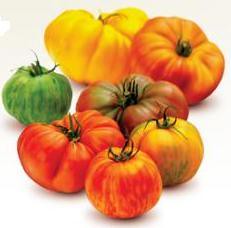
More vine-ripe varieties are available at the grocery store now—in fact they are almost commonplace. And, in season, we see tomatoes everywhere—from farmers markets to grocery stores—touting local delights! Look for yellow pear and yellow plum; teeny tiny, red currant tomatoes the size of peas; Lemon Boy, the color of its name; Green Zebra; and red-and-yellow-striped Tigerella. And don’t miss the large, purple, beefsteak variety. There is definitely a large assortment to choose from.

If you have a bit of a green thumb, Sweet 100’s are super-easy to grow in flower beds or in pots on the deck. My friend Joani calls them yard candy!

Tomatoes have a plethora of uses—straight from the garden, eaten like a peach; made into relishes, salsas, homemade ketchups … I’ve even seen them used in cakes. Now, I don’t know about that!

And since not all our tomatoes have reached their fully ripe color by the end of the season, I have grown to love them picked green, sliced, coated in a little cornmeal and fried.

And you just can’t have enough salads in the summer! My recipe for Super Summer Tomato Salad with Heirloom Tomatoes, Blue Cheese and Sundried Tomato Herb Vinaigrette is a true tomato-lover’s fest. It’s dressed with a piquant, sundried-tomato-enhanced vinaigrette for a double tomato whammy.

For those of you with way too many tomatoes, try my recipe for Toss in the Pot Tomato Sauce that is easily frozen.

Here’s a few recent fun tomato posts from my Twitter Friends:

Melissa from @Dinette66 is doing: Sharlyn melon w/ serrano, Halibut w/ curried corn chowder & tomato jam, ricotta gnocchi w/ spicy chic sausage, basil, sweet 100’s!

@qafarmersmarket Love the gazpachos (galzpachos!) by @chefreinvented and @ChefRobinL www.qafma.org/recipes

@lornalee how fun! I’ve been slicing, sprinkle of Secret Stash chorizo salt, pepper, good olive oil. Simpler the better w/ heirlooms!

If you would like to share your tomato comments too, tweet to me at @kathycaseychef

Here’s to lots more tomatoes while the season’s ripe! ©2009 by Kathy Casey

Super Summer Tomato Salad with Heirloom Tomatoes, Blue Cheese and Sundried Tomato Herb Vinaigrette

Serves 4 — Makes 1 cup vinaigrette

4 medium or 2 very large heirloom tomatoes, preferably Green Zebra, Mr. Stripy or Tigerella, about 1 1/2 pounds total

1 1/2 cups gourmet greens

1/4 cup crumbled blue cheese

1/2 cup assorted red or yellow currant or tiny teardrop tomatoes, cut in half or kept whole if very tiny

Vinaigrette

2 Tbsp finely chopped sundried tomatoes packed in oil

1 1/2 tsp finely minced garlic

1/2 tsp sugar

1/2 tsp salt

3 Tbsp red wine vinegar

1/2 cup extra-virgin olive oil

1 Tbsp chopped fresh basil

1 Tbsp thinly sliced fresh chives

1 tsp minced fresh thyme

To make the vinaigrette: In a small bowl mix together the sundried tomatoes, garlic, sugar, salt and red wine vinegar. Then gradually whisk in the olive oil. Stir in herbs and refrigerate until needed.

To assemble the salad: Cut the tomatoes into nice fat slices, about 1/3 inch thick. Divide between 4 large salad or dinner plates. Drizzle each salad with 2 tablespoons of the vinaigrette. (Be sure to whisk together well before each use.) Then scatter gourmet greens across the tomatoes. Next, scatter the blue cheese over the salads and then the tiny tomatoes. Drizzle each salad with about 1 tablespoon more of the dressing and pass any extra if desired. Serve immediately.

Extra dressing can be kept refrigerated for up to 2 weeks. Recipe © 2009 by Kathy Casey.

Toss in the Pot Tomato Sauce

Makes 7 cups

2 Tbsp extra-virgin olive oil

12 cloves garlic

2 small onions, chopped

2 red bell peppers, cored and cut up in large pieces (optional)

1/4 tsp red chili flakes (use less if you like less spice)

1/2 cup red wine

4 lb fresh tomatoes, cored and cut in half

1/2 cup fresh basil leaves

2 – 4 Tbsp extra-virgin olive oil (optional)

2 tsp kosher salt (adjust seasoning more or less as desired)

In a large heavy pot or Dutch oven, heat 2 tablespoons olive oil over medium heat and add garlic, onions, bell pepper and chili flakes. Slowly sauté for about 5 minutes, add the wine and let cook about one-half minute more, then add the tomatoes and basil leaves. Bring to a slow simmer and cook for about 1 – 1 1/2 hours while you go about your business. Every once in awhile, go by and stir it. (If making a doubled batch, you may need to simmer the sauce an extra 20 to 30 minutes or so.)

Once sauce is nicely reduced, then set it off the stove to cool. When reasonably cool, puree in batches in blender. If desired, blend in the final olive oil after sauce is totally pureed. Season with salt, adding more or less to taste. If freezing sauce, place in freezer containers, label, date and freeze until needed.

Chef’s notes and other options: Sauté some chopped mushrooms with the onions, or try adding other fresh herbs such as a little fresh thyme leaves, oregano and marjoram for an herby sauce. For a Southwest flavor, add a little jalapeño and some coriander and cumin seeds in the sautéing process. Or just use your imagination and create your own signature base sauce. Recipe © 2009 by Kathy Casey.

Posted by Kathy on August 27th, 2009  |  Comments Off on Tomatoes |  Posted in Dishing with Kathy Casey Blog, KOMO Radio, other, Pasta-Risotto, Recent Posts, Recipes, salads

Preserving the Flavor

Jam 004

When produce is at its peak in the summer, why not preserve the flavor and stretch out the time a little on the season’s goodness? But what do you do with those abundant fruits and vegetables?

A lot of people love homemade put-up goods but are too intimidated by the procedure to can them by the traditional water-bath method. I, too, love to stock up goodies, but like many of you I’m too crunched on time.

Though I love to can jams, preserves and chutneys, a lot of time I will make things that I can dry, freeze or refrigerate. Refrigerated items may not last as long as something processed but you can still enjoy the fruits of your labor for at least a couple of months past the season. At work we do mass-production jamming—making a few hundred jars in a day—but at home often it’s just easier for preserves, jams, purees and fruit syrups to be frozen and pickled goods refrigerated.

I also love to dry things. Years ago, I started playing around with flavored sugars, such as the recipe for Fragrant Rose Sugar. I’ve always had old rose varieties in our yard, which we never spray. No, they aren’t the most perfect roses—but do they ever smell beautiful, rich, sweet and perfumey… and TASTE luscious! So I tried drying the petals in sugar then blending the mixture to an aromatic powdered sugar. Wow! It worked like a charm and the sugar tastes heavenly sprinkled on fresh berries or, in the winter when you need a bit of summer, put in sugar cookies that call for powdered sugar. I also love to make fragrant sugar with lavender, lemon verbena and rosemary (All pretty tasty in cocktails or to rim glasses with!).

You can also use this method with fresh herbs and salt. Try making a basil and thyme salt, or how about one with thinly sliced, tiny fresh hot peppers and a bit of oregano for a spicy Mexican version.

And the best part is … flavored sugars and salts don’t even heat up the kitchen!

Fruit vinegars are also super-easy to make, and they last for a LONG time. The Berry Delicious Vinegar—sweet ripe berries infused in white wine vinegar—makes the most beautiful vinaigrette. Just whisk together 1 part vinegar to 3 parts light olive oil, add a little finely chopped shallot and some salt and pepper, and there you have it—the perfect foil for tender garden greens.

My recipe for quick and easy, slightly hot, Sweet, Sour & Spicy Melon Balls—with their hint of mint and basil—pairs with some thinly sliced prosciutto and a great loaf of bread. Presto! A nice light supper or d’lish appetizer for a hot day.

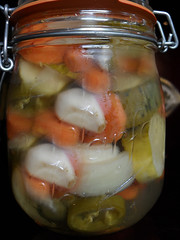
And who doesn’t love homemade pickles? My recipe for Quick Summer Garden Pickles is fast and easy. Clean, quart jars are packed with a mixture of vegetables, then a brine is boiled and quickly poured into the veggie-packed jars. Just quickly screw on the lid, let sit until cooled to room temperature then refrigerate. In just two days you have delicious pickles to bring to a picnic or enjoy at a backyard BBQ. The only tears you will shed when making these are the ones that may form if you get too big a whiff of the boiling vinegar brine. Be forewarned: the pungent, wafting aroma may cause the neighbors to come begging for some of your pickles.

And, no, I didn’t forget about jam. I’ll be writing a whole story on that, but I did whip up a recipe for no-peel Spiced Nectarine Jam. Made with a bit of brown sugar, cinnamon and allspice, this is great on morning toast or bagels. You can even toss it with a few fresh, sliced peaches, nectarines or cherries, add a dash of dark rum and serve over vanilla ice cream for a quickie dessert.

So try to take a little time to preserve the flavors of summer. It’s not that hard … you’ll be glad you did when the skies turn gray.

© Kathy Casey – blogging at Dishing with Kathy Casey

Follow me on Twitter @kathycaseychef

For a great book to help you get started, check out Canning & Preserving Your Own Harvest: An Encyclopedia of Country Living Guide by Carla Emery & Lorene Edwards Forkner, Sasquatch Books.
pickles

QUICK SUMMER GARDEN PICKLES

Makes 4 quarts

These quick and easy refrigerator pickles are a great way to use up your garden’s bounty. Cauliflower is also a tasty addition.

Vegetable Mixture:

7 cups (about 2 lb.) 3/4″-sliced pickling cucumbers

2 1/2 cups (3/4 lb.) 1/2″-thick-slant-cut carrots

2 medium jalapeño peppers, sliced in rings

1 1/2 cups (6 oz. wt.) 1 1/2″ chunks yellow or white onion

1 1/2 cups (6 oz. wt.) 1 1/2″ chunks red onion

2 cups (8 oz. wt.) 1″ chunks red bell peppers (substitute some hot peppers or some of your other favorite peppers if desired)

2 cups (3/4 lb.) 1/2″- to 3/4″-sliced yellow zucchini or yellow squash

Pickling Brine:

2 cups white distilled vinegar

2 cups cider vinegar

1 3/4 cups water

1 3/4 cups sugar

2 tablespoons pickling spice

3 tablespoons kosher salt

1/4 teaspoon crushed red pepper flakes

Place all vegetables in a large bowl and toss together to mix colors. Divide vegetables among four clean, regular-mouth, 1-quart canning jars, packing vegetables in tight. Set jars on a dish towel in a draft-free place in the kitchen.

Place the pickling brine ingredients in a non-aluminum saucepan over high heat. Bring to a rolling boil and then immediately ladle pickling brine into filled jars, filling to 1/2″ from the top. Be sure to cover the vegetables with liquid and distribute spices evenly. Using a nonmetallic tool, such as a wooden chopstick, quickly but carefully release air bubbles, then add more brine if needed. Wipe the jar rim with a clean, damp cloth. Immediately cover jar with lid and tighten. Let cool to room temperature, about 1 – 2 hours, then refrigerate. Let pickle for at least 2 days before eating. Pickles will last for up to 2 months, refrigerated. © Kathy Casey – blogging at Dishing with Kathy Casey


SWEET, SOUR & SPICY MELON BALLS

Makes 3 pints

These are great with prosciutto, pates or grilled meats or poultry. Also excellent as an accompaniment to spicy Indian food or vegetarian curry dishes.

3 cups cantaloupe balls or other orange-fleshed melons (see Chef’s Notes)

3 cups honeydew melon balls

3 large sprigs fresh basil

2 tablespoons chopped fresh mint

3/4 teaspoon red chili flakes

1 1/2 cups water

2 cups sugar

3/4 cup white wine vinegar

1 tablespoon kosher salt

Toss melon balls together. Fill three 1-pint, wide-mouth jars with the melon balls, tucking a basil sprig into each jar.

In a non-aluminum saucepan, combine all the remaining ingredients. Bring to a boil over high heat and boil for 2 minutes, then remove from the heat and let cool to room temperature.

When mixture is cool, evenly pour over the jars of melon balls, filling to top and being sure to cover the fruit completely. Using a nonmetallic tool, such as a wooden chopstick, carefully release air bubbles, then add more liquid if needed. Wipe the jar rim with a clean, damp cloth. Cover with lids and refrigerate for at least 24 hours before eating. The melon balls will keep for about 2 – 3 weeks, refrigerated.

Chef’s Notes: Use ripe but firm melons. To make melon balls: Cut melon in half and scoop out seeds. With a melon-ball gadget, scoop out balls. (I use a large-size baller.) © Kathy Casey – blogging at Dishing with Kathy Casey


BERRY DELICIOUS VINEGAR

Makes about 3 cups

Vinegar will keep about 1 year at room temperature, or you can store it refrigerated if you want the color to stay red longer. If stored at room temperature, the red color will “brown out” a bit—but the flavor will still be d’lish. You can also use other seasonal fruits with this recipe and/or add herbs or spices. The sugar and salt can be omitted for just a straight fruit vinegar. Some flavor combinations that I have enjoyed are peach-tarragon, cherry-star anise (you don’t need to pit the cherries, just squish them) and pear-cardamom.

1 1/2 cups marionberries, blackberries or raspberries (or use a combination of any fresh berries)

3 cups white wine vinegar or white distilled vinegar

6 tablespoons sugar

1 1/2 teaspoons kosher salt

Place berries in a stainless steel bowl or pot or a glass cooking pot. Give them a little mash to break them up slightly with a potato masher. (Or you can make the recipe in large glass canning jars that will take the heat.)

In a stainless steel saucepan, heat vinegar, sugar and salt until just boiling. Remove from heat and pour over berries.

Let cool. Cover and allow to stand for at least 48 hours unrefrigerated or up to 7 days in refrigerator. Then strain through a cheesecloth or coffee filter-lined strainer. (If straining through coffee filters, strain first through a mesh strainer then through the coffee filter-lined strainer.) With a ladle or wooden spoon, lightly push through any extra juice. Discard the solids. Bring strained vinegar to a boil again and then fill clean wine bottles or decorative bottles with HOT vinegar. Cap and cool.

Chef’s Notes: This recipe can be multiplied several times. © Kathy Casey – blogging at Dishing with Kathy Casey


FRAGRANT ROSE SUGAR

Makes 1 1/2 cups

1 cup tightly packed UNSPRAYED fragrant rose petals

1 1/2 cups sugar

A few drops rose water (optional)

In a large glass baking pan (13”x9”) or large bowl, mix together the sugar and rose petals. Cover bowl half-way with plastic wrap. Let sit in a dry place for 2 days, stirring every day. Then toss, remove plastic, cover with paper towels, and let sit for about 4 – 5 more days or until petals and sugar are dry, stirring every day or so. If sugar has stuck to bottom of bowl, gently tap bowl on counter to loosen.

In a blender or very clean-of-smells coffee grinder or food processor, process petals and sugar in small batches till sugar is powdered and no bits or lumps remain. (If using a blender, process the sugar in about 3 batches. If sugar has a hard time getting going in blender, shake blender cup with lid on and blend on high. You may need to shake it a couple of times before it gets going.)

Place sugar in a glass jar with a tight-fitting lid and keep in a cool dry place for up to a year. This is a lovely gift to package in smaller jars with beautiful handmade labels.

Chef’s Notes: This sugar is delicious sprinkled on fresh berries, or used in shortbread cookies that call for powdered sugar. It is also terrific in homemade lemonade. Be sure to use unsprayed rose petals. © Kathy Casey – blogging at Dishing with Kathy Casey

ROSEMARY SUGAR

Makes 1 cup

2 – 3 tablespoons fresh rosemary leaves, coarsely chopped

1 cup superfine or baker’s sugar

Mix the rosemary and sugar together, and spread the mixture on a rimmed baking sheet. Set in a warm dry place for about 4 days, until the rosemary is completely dried. Process in a food processor or spice grinder until finely ground. Store in a tightly sealed container for up to 3 months at room temperature. © Kathy Casey – blogging at Dishing with Kathy Casey


RIBBONS OF ROASTED PEPPERS IN HERB OIL

Makes 5 half-pint jars

When ready to serve, just mix in chopped, pitted kalamata olives and top with shavings of fresh Parmesan cheese. Serve with crusty, rustic Italian bread. The peppers are also delicious tossed with pasta.

3 lb. assorted, colorful sweet and hot peppers

1 1/2 cups olive oil

6 tablespoons balsamic, red wine or sherry vinegar

1 1/2 teaspoons salt

3 tablespoons minced, mixed fresh herbs, such as basil, thyme, oregano, marjoram

3 tablespoons minced fresh parsley

Roast peppers over a hot grill or coals, over a gas flame, under a broiler, or in a 500-degree oven, turning often until skin is totally blistered and charred black. Immediately place in a bowl and cover with plastic wrap to steam skins loose. Let cool until peppers can be handled, about 15 – 20 minutes. Slip skin off, seed and slice peppers into long, 1/4”-wide strips.

Meanwhile, whisk together the remaining ingredients in a large bowl. Toss in peppers, coating well. Divide peppers evenly into 5 half-pint jars or plastic freezer containers, topping each one with the extra herb oil. Label and freeze for up to 1 year or store refrigerated for up to 2 weeks. © Kathy Casey – blogging at Dishing with Kathy Casey


SPICED NECTARINE JAM

Makes 6 1/2 – 7 half-pint jars

Select ripe, juicy nectarines for this recipe. For variety, you can also add other interesting things to this jam, such as 1 teaspoon rose water and a big pinch of ground cardamom for a more “exotic” preserve.

5 cups sugar

1/2 cup packed, light brown sugar

1/2 teaspoon ground cinnamon

1/4 teaspoon ground allspice

6 cups chopped, skin-on, ripe nectarines (Purchase about 3 lb.)

1/2 cup fresh lemon juice

1 box MCP pectin

1/2 teaspoon butter

Sterilize 7 half-pint jars and keep them in hot water until ready to drain and fill. Prepare lids and rings according to manufacturer’s instructions. Place a dish towel in a non-drafty area.

Measure out sugars and spices and mix together in a large bowl.

In a 6- to 8-quart heavy-bottomed, stainless steel or enameled pot, combine fruit, lemon juice, pectin and butter. Stir thoroughly. Place over medium-high to high heat and bring to a full rolling boil, stirring constantly to prevent scorching.

When at a rolling boil, add sugar mixture and stir in well. Stirring constantly, return mixture to a full rolling boil and boil 6 minutes while continuing to stir. Reduce heat if necessary but be sure to maintain a full rolling boil.

Remove from heat and quickly ladle boiling jam into drained jars allowing for 1/4” headspace. Wipe top edges and threads of jars with clean, damp cloth. Follow water-bath canning instructions (load jars into a jar rack using the handles and be sure water comes up over the tops of jars at least by 1 inch. Water must be rapidly boiling. Start the timer when water returns to a full rolling boil – cover with lid and process for 10 minutes.

Remove from heat and cool on towels. Check to see that all lids are sealed – and refrigerate any that are not.

© Kathy Casey – blogging at Dishing with Kathy Casey

Posted by Kathy on August 20th, 2009  |  Comments Off on Preserving the Flavor |  Posted in Books to Cook, Dishing with Kathy Casey Blog, KOMO Radio, other, Recent Posts, Recipes

Succulent Summer Stone Fruit

Oregon, Washington, and British Columbia all produce peaches, nectarines, apricots, plums, and cherries in brilliant hues. For many, the stone fruit harvest might conjure up childhood memories of summer canning: sterilizing dozens of jars, then blanching, peeling, pitting, and packing the season’s bounty. Rows and rows of colorful, artfully packed jars filled with pepper-pickled peaches—freestone Elbertas or juicy clings—rosy Tilton apricots, and brandied Bing cherries lined the pantry and cellar shelves of Northwest homes.

 
With all the great weather we have been having here in the Northwest, the fruits are plentiful and perfectly ripe this time of year, so I know you all have been enjoying the fruits already! And for those of you who have never peeled a peach the quicky way, here is another chefy trick I’ve learned over the years: just boil a big pot of water and immerse your peaches a few at a time for 30 seconds or more, depending on the peach, and when the skin starts to get loose, immediately run the peaches under cold water and slip the skin off.

There are so many different ways to enjoy all types of stone fruits. Eat them fresh from the tree, sliced in a salad, baked in a pie or preserved in a jar. Not many people have time to can these days and fewer and fewer people know how. So how about trying a Zippy Nectarine Salsa; it’s a quick, 15-minute throw-together for a busy day’s backyard barbecue.

Eating fruit just picked off the tree with the sun shining in your face and juice dribbling down your chin is the best way to enjoy it, but I hope you will sample these recipes for a little summer deliciousness. Copyright © 2009 by Kathy Casey.

 
Zippy Nectarine Salsa

An easy-to-prepare,  zippy & refreshing salsa to serve with grilled chicken breast or halibut.

Makes about 2 cups

2 large nectarines, diced 1/4-inch, about 2 cups
1 fresh jalapeño pepper, seeded and finely minced, more or less to taste
   or use a dash of Asian chili paste for spice
1 tablespoon fresh lime juice
1 teaspoon minced lime zest
1/4 teaspoon salt
1 tablespoon finely minced cilantro
2 tablespoons minced red onion
1 1/2 teaspoons sugar (more or less depending on the sweetness of fruit)

In a small bowl mix all ingredients together not more than 20 minutes before serving.
Serve well chilled.

Copyright 2009 Kathy Casey


Stone-Fruit Almond Shortcake with Brown Sugar Whipped Cream

Makes 6 servings

6 cups mixed sliced ripe stone fruits, such as apricots, peaches, plums, cherries, and nectarines
1 cup sugar, or to taste
1 cup heavy whipping cream
1/4 cup packed brown sugar
1 to 2 tablespoons amaretto liqueur (optional)
6 Almond Scones (recipe follows)

In a large bowl, sprinkle the fruit with sugar. Mix gently, then let sit for about 30 minutes to “juice up.”

Meanwhile, in a chilled bowl, whip the cream and brown sugar together with a whisk or an electric mixer until the cream forms soft peaks. Be careful not to overwhip. Fold in the amaretto. Refrigerate until ready to use.

To serve, split the scones and place the bottoms on plates. Divide the fruit mixture among the scones and top with the whipped cream. Place the scone tops back on, slightly askew.
Recipe from Kathy Casey’s Northwest Table, Chronicle Books, San Francisco. Copyright © 2006 by Kathy Casey.
Almond Scones
Makes 8 scones

2 1/4 cups flour
1/4 cup sugar
3/4 teaspoon baking soda
1/2 teaspoon salt
1/2 teaspoon ground cinnamon
8 tablespoons (1 stick) butter
1/4 cup sliced almonds
1 egg
3/4 cup buttermilk, plus more if needed
1 egg white
1/2 teaspoon water

Preheat an oven to 375°F. Sift the flour, sugar, baking soda, salt, and cinnamon together into a large bowl. Cut in the butter with a pastry blender or 2 dinner knives until the mixture is the texture of coarse crumbs (just like making a pie crust). Stir in the almonds.

In a separate bowl, whisk the whole egg with the 3/4 cup buttermilk until blended. Make a well in the center of the flour mixture and pour the liquid into it. Combine with a few swift strokes. The dough should form a ball and all the flour should be incorporated. (If the dough is way too dry, add 1 tablespoon more buttermilk.) Do not overmix.

On a lightly floured surface, pat the dough into a 3/4-inch-thick round. Carefully place on an ungreased baking sheet, then cut into 8 wedges, leaving the sides still touching.

In a small bowl, whisk the egg white and water until mixed, then brush the dough lightly with the egg white glaze.
Bake for 30 to 35 minutes, or until the scones are cooked through and golden. Let cool slightly before serving.

Chef’s Note: Serve 6 scones for dessert and then you’ll have 2 extra for breakfast or seconds!
Recipe from Kathy Casey’s Northwest Table, Chronicle Books, San Francisco. Copyright © 2006 by Kathy Casey.

Posted by Kathy on July 30th, 2009  |  Comments Off on Succulent Summer Stone Fruit |  Posted in appetizers, breakfast, dessert, Dishing with Kathy Casey Blog, KOMO Radio, other, Recent Posts, Recipes

Summer Grilling

To listen to the KOMO Dishing segment online, click here!

Everyone loves a good BBQ. And we know that men flock to stoke the coals and flip the fare — definitely a guy thing! Whether it’s hotdogs, hamburgers, salmon, chicken or veggies, on warm summer nights everything tastes better cooked on the grill.

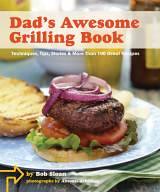
So for you’re favorite Dad there is a new book, Dad’s Awesome Grilling Book, by Bob Sloan — just in time for Father’s Day. And I have included a recipe below for Grilled Corn with Chipotle Butter.

untitled

Let’s face it, in the summertime, the last thing you want to worry about is spending a lot of time inside cooking dinner. Firing up the grill is a great way to get outdoors and get everyone fed in a matter of minutes!

A great meal from the grill can be as simple as having a great marinade or a great rub. Choose your protein, an array or whatever your pleasure, be it meat, fowl or vegetable, and marinate or season up your entrée choice. Throw on some asparagus spears, corn on the cob or zucchini and you have a quick and easy meal.

Sometimes I like to start with slices of rustic bread, grilled till toasty and then rubbed with a garlic clove. Top with chopped ripe tomatoes drizzled with EVOO and some sea salt – sprinkle with a little chopped basil,  oregano , a sprinkle of fresh grated parm.

Moving on to the main dish I’ve got a recipe for Balsamic, Honey & Thyme Marinade which is good on just about anything. And if you want to grill up your dinner even faster, my Dish D’Lish French Seasoning Salt is great on a fat steak. Or try my Cha Cha Chipotle Lime Seasoning on chicken breasts –- grilled up and then topped with some fresh tomato pico and some grilled corn. Voila! instant dinner!

If cooking with a marinade or rub that contains sugar, be sure to grill on medium-low heat to prevent burning; honey or sugar can scorch on high heat.

Then finish off your quick summer meal with a big bowl of fresh local berries … maybe with a little ice cream, too. Or if the grill is still hot – try out my recipe for Grilled Banana Sundae with Caramel. Simplicity never tasted so good!

Happy Grilling!

Kathy’s Balsamic Honey & Thyme Marinade

Makes 2/3 cup

1/4 cup balsamic vinegar
1/4 cup honey
1/4 cup olive oil
2 tsp salt
2 Tbsp minced fresh thyme
3/4 tsp coarse-cracked black pepper
pinch of red chili flakes if you like a little heat

Mix marinade ingredients in a zip-top plastic bag. Add food, and marinate, refrigerated, for 30 minutes or longer.

This amount is enough to marinate 8 chicken breast halves, salmon fillets, or jumbo portobello mushrooms, or 2 to 3 pounds pork tenderloin. Grill food on medium-low heat to prevent the sweet marinade from burning.

Copyright © 2009, Kathy Casey Food Studios®

Roasted Corn with Chipotle Butter
From Dad’s Awesome Grilling Book, by Bob Sloan – Chronicle Books

Makes 6 ears

1/2 cup butter (1 stick), softened
2 chipotle chiles in adobo, seeds removed and finely chopped
1 tsp minced garlic
1/2 tsp salt
1/2 tsp freshly ground black pepper
6 ears corn, husked

In a small bowl, use a fork to mash together the butter, chipotles, garlic, salt and pepper until just combined. Transfer the mixture to a 12-inch piece of plastic wrap and use the wrap to roll the butter mixture into a log roughly the size of the original stick of butter. Place the butter in the refrigerator until ready to use.

Grill the corn over medium-high heat for 10 to 12 minutes, turning frequently as the bottoms begin to turn a golden brown.Serve immediately, with the chipotle butter on the side.

Grilled Banana Sundaes with Caramel Sauce
Makes 4 servings

4 bamboo chopsticks or 10-inch bamboo skewers
2 large ripe but firm bananas
vegetable oil, as needed
1 pint tropical-flavor ice cream (I served both Häagen- Dazs pineapple coconut and mango ice creams)
high-quality caramel sauce – as needed or sub chocolate sauce
sweetened whipped cream (optional)
sundae goodies and garnishes: chopped fresh pineapple, sliced kumquats if in season, Trader Joe’s Dark Roasted Pistachio Toffee, edible flowers or toasted coconut

Soak chopsticks or skewers in water for 10 to 15 minutes. Peel bananas and cut each crosswise into 2 pieces. Carefully thread each piece lengthwise onto a skewer. Lightly brush bananas with vegetable oil on each side.

On a preheated, medium-high to high grill, cook bananas for about 12 minutes total, turning with a spatula every 4 minutes or so, to get caramelized grill marks on them. Bananas should be nice and soft when cooked.

Serve atop scoops of ice cream in large bowls. Let guests finish topping their sundaes with sauces, whipped cream, fruit, toffee and garnishes.

©2009 by Kathy Casey Food Studios®

Posted by Kathy on June 11th, 2009  |  Comments Off on Summer Grilling |  Posted in Books to Cook, Dishing with Kathy Casey Blog, KOMO Radio, meats, other, poultry, Recent Posts, Recipes
Untitled